
Eye Brush #3 Review: Soft Crease Blending Brush
See why reviewers call the Eye Brush #3 perfect for crease blending and soft on sensitive skin. For product questions, call (833)-235-5263.

By Rachel Coleman
A good eyeshadow look rarely fails because of the shadow itself. More often, it fails at the blending stage, and the tool in your hand is the reason. The Eye Brush #3 from Bellame is built around that exact moment: the sweep, the softening, the transition between colors that makes a look read as polished rather than patchy. Reviewers describe it as very, very soft, precise, and easy to clean, with bristles that do not shed. That combination matters more than most shoppers realize, because a blending brush that scratches, drags, or drops hairs can ruin both the application and the mood.
This guide breaks down what the Eye Brush #3 is designed to do, who it suits, how to use it in a real routine, and what verified buyers say about it. It is written for readers who research before they buy and who want a brush that earns its place in the bag rather than crowding it.
What the Eye Brush #3 Is Built to Do
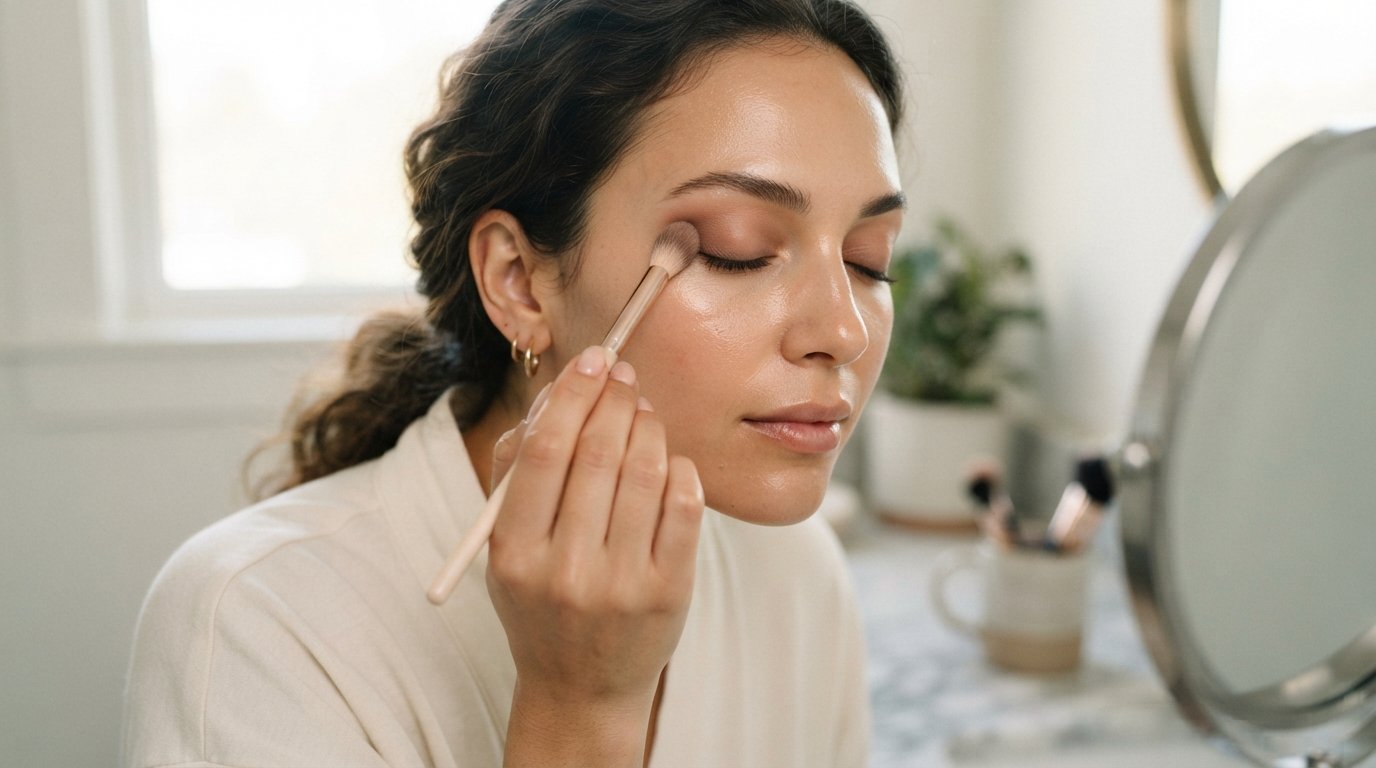
The Eye Brush #3 is a crease and blending brush. Its job is to place shadow into the crease and then soften the edges so the color melts into the surrounding lid instead of stopping in a hard line. Reviewers consistently point to this dual role. One verified buyer called it perfect for the crease because it blends as it applies shadow for a smooth finish. Another described it as the best eyeshadow brush she has owned, praising how soft it feels and how well it blends. That is the core promise: application and diffusion in the same motion.
The brush also carries a full set of formulation and manufacturing claims listed on the product page. These are attributes of the product as stated by Bellame, not independent lab results, and readers should treat them as brand claims to verify at checkout:
- Proprietary formulation
- Patented ingredients
- Cruelty free
- Gluten free
- Vegan
- Phthalate free
- Paraben free
For a brush, those claims mostly speak to how the tool is made and what the brand stands for rather than to performance. Performance, in this case, comes down to bristle softness, shape, and how the brush holds and releases powder. The reviews suggest the Eye Brush #3 handles all three well, particularly for shoppers whose skin has become more sensitive over time. One reviewer noted that most brushes she tried felt rough on her skin, possibly because her skin is more sensitive with age, and that this brush is very, very soft. Softness is not a luxury feature for sensitive skin. It is the difference between a brush you reach for and one you avoid.
Why Blending Deserves Its Own Brush
Blending is the step that separates a flat wash of color from a dimensional eye look. When you place a darker shade in the crease, the edge of that color is where the eye reads depth. If the edge is sharp, the look appears drawn on. If the edge is diffused, the look appears natural. A dedicated blending brush gives you control over that transition, and the Eye Brush #3 is shaped for exactly that zone.
There is also a practical reason to keep a separate blending brush. Once a brush is loaded with a dark shade, it is difficult to use it for lighter transition colors without muddying them. Having a clean, soft blender on hand lets you soften edges without dragging pigment where you do not want it. One reviewer summed up the appeal with a line that will resonate with anyone who has spent twenty minutes trying to fix a harsh crease: blending is my cardio. If your eyeshadow routine feels like a workout, the tool is often the culprit.
Readers who want broader context on how eye tools fit into a full makeup routine can explore the makeup guides published at Bellame.MX, which covers skincare, makeup, haircare, body care, and wellness topics in plain language. The site is editorial, not a store, so it is a useful place to understand categories before visiting bellame.com to see current products.
How to Use the Eye Brush #3 in a Real Routine
The most common mistake with a blending brush is treating it like a packing brush. A blender is not designed to deposit heavy color across the lid. It is designed to move, soften, and merge. The sequence below reflects how reviewers describe using the brush and how a crease brush is typically deployed in a routine.
- Start with a clean brush and a light hand. Tap off excess powder before touching the eye.
- Apply your transition shade first, sweeping through the crease in small windshield wiper motions.
- Add a deeper shade to the outer corner, then use the same brush to soften the boundary between the two colors.
- Blend upward toward the brow bone in short, light strokes to diffuse any hard edges.
- Wipe the brush on a tissue between shades if you are moving from dark to light.
After the list, one detail matters: pressure. Soft bristles respond best to a light touch. Pressing hard flattens the brush head and creates streaks. Let the tips do the work and build intensity in layers. Reviewers note that the brush applies shadow precisely, which means you can afford to be deliberate rather than aggressive.
Cleaning is the other habit that extends a brush's life. One verified buyer specifically praised how easy the Eye Brush #3 is to clean, and another noted that the bristles are soft and do not fall out. A gentle wash with a brush cleanser or mild soap, followed by reshaping and air drying flat or angled downward, keeps the bristles in condition. Avoid soaking the ferrule in water, since moisture trapped at the base can loosen the glue over time.
What Verified Buyers Say
The review section on the product page tells a consistent story. Across the reviews shown, the rating is five out of five, and the themes repeat: softness, blending performance, precise application, and bristles that stay put. One buyer described the brush as perfect for blending and contrasted it with rougher brushes she had tried before. Another highlighted the crease application and the smooth finish. A third bought it as a gift for his wife and reported that she refuses to use her brushes from other companies. That kind of loyalty is unusual for a single brush and suggests the tool fits comfortably into an existing routine rather than requiring a new one.
Several reviewers mention the brush as part of a larger collection. One wrote that she has purchased almost the whole brush set and is not disappointed. Another recommended grabbing this brush and ordering the rest of the collection. A reviewer focused on fallout noted that there is hardly any fallout when using these brushes, which is a practical benefit for anyone who wears foundation or concealer and does not want stray powder landing on the base. Fallout is often a function of how a brush picks up and releases product, so a brush that minimizes it saves cleanup time.
It is worth being precise about what these reviews are and are not. They are verified purchase reviews displayed on the product page, and they reflect individual experiences. They do not constitute clinical testing, and results will vary with technique, products, and skin. Read them as signals about softness, shedding, and blending behavior, which are the qualities most relevant to a brush purchase.
Who the Eye Brush #3 Suits
The brush is a strong fit for several types of shopper. If you are building a first eye set and want one tool that handles crease work and softening, this is a sensible starting point. If you already own a full set but your blender is scratchy or sheds, this is a targeted upgrade. If your skin has become more sensitive and you notice roughness from older brushes, the softness reviewers describe is directly relevant to you. And if you wear eyeshadow regularly but struggle with harsh transitions, a dedicated crease brush is the missing piece more often than a new palette.
It is a less obvious fit for someone who wants a single do-everything eye brush. A blender is not a packing brush, and it will not replace a flat shader for intense lid color. Think of it as a specialist that makes the rest of your tools perform better. That framing also helps with budgeting: one good blender can improve the look of every shadow you already own, which is a better return than another palette you use twice.
Price, Loyalty Pricing, and Purchase Confidence
The Eye Brush #3 is listed at a retail price of $15.00. Glow Replenish VIP members see a price of $13.50, a saving of $1.50. The product page also displays a 45 day money back guarantee under the heading Shop With Confidence. Readers should confirm current pricing, membership terms, and guarantee details on the product page before purchasing, since prices and offers can change. This site does not process orders or payments. All checkout, account, and support activity happens on bellame.com.
For shoppers weighing a single brush against a set, the math is straightforward. At $15.00 retail, the brush is an accessible entry point into the line. Reviewers who bought one and returned for more suggest the brush performs well enough to justify expanding. If you are already a VIP member, the $13.50 price makes the trial even easier to justify. Either way, the 45 day window gives you time to test the brush in your actual routine rather than judging it from a single use.
How to Evaluate the Brush After It Arrives
Give any new brush a fair trial before deciding. A single application on a rushed morning is not a real test. Set aside a few minutes on a day when you are doing a full eye look and pay attention to specific behaviors. The checklist below reflects the qualities reviewers consistently mention, so you can compare your experience to theirs.
- Softness: does the brush feel gentle on the eyelid and in the crease?
- Shedding: do bristles stay in the brush during and after use?
- Blending: can you soften a hard edge without streaks or patchiness?
- Precision: does the brush place color where you aim it?
- Cleaning: does the brush wash clean and hold its shape after drying?
If the brush passes those checks, it has done what it was designed to do. If something feels off, the guarantee window exists for a reason, and the product page is the place to review the terms. Keep the packaging and order details handy in case you need them.
Building a Cohesive Eye Set Around It
A blending brush works best when it has partners. A flat shader packs color onto the lid, a small detail brush places color at the lash line or outer corner, and a blender like the Eye Brush #3 merges everything. Reviewers who describe buying the full set are effectively building that trio, and their feedback suggests the pieces work well together. If you are starting from scratch, add tools in the order you use them: shader first, blender second, detail brush third.
There is also a maintenance argument for a set. Rotating brushes between washings keeps bristles cleaner and extends their life, and having a spare blender means you are never stuck with a muddy brush mid-look. One reviewer noted that the brushes are easy to clean, which makes rotation realistic rather than a chore. A small investment in a second blender can meaningfully improve your week-to-week routine.
A Final Word on Softness and Skill
Softness gets marketed as a comfort feature, but in a blending brush it is a performance feature. Softer bristles diffuse color more gradually, which gives you more control over intensity. They also reduce the risk of dragging the delicate skin around the eye. The reviewers who describe the Eye Brush #3 as very, very soft are describing a tool that lets them blend longer without irritation, and that is precisely the kind of detail that separates a brush you use daily from one that sits in a drawer.
If you want to see the current listing, pricing, and the full set of buyer reviews, visit the Eye Brush #3 product page on bellame.com. Confirm the price and guarantee details there, then decide whether this is the blender your routine has been missing.