
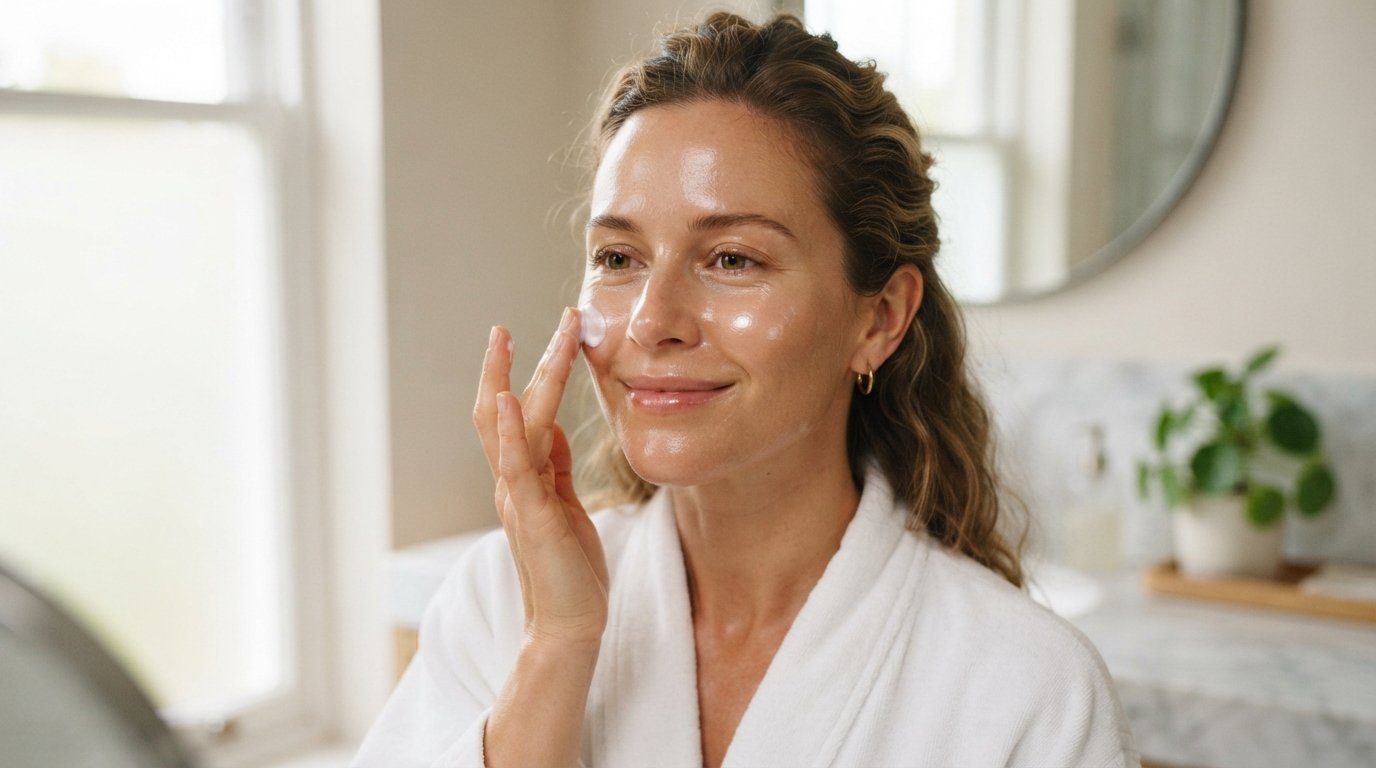
Luxe Soleil Hybrid SPF 50: Daily Sun Protection and Primer
Luxe Soleil Hybrid SPF 50 combines broad-spectrum UV filters with hydrating botanicals for a primer-like finish. Call (833)-235-5263 for guidance.

By Tessa Miller
Sun protection is the one skincare step that never takes a day off, yet many people still skip it because traditional sunscreens feel heavy, leave a chalky cast, or pill under makeup. Luxe Soleil Hybrid SPF 50 from Bellame was built to remove those excuses. It is a broad-spectrum hybrid formula that pairs mineral and chemical UV filters with a roster of botanical oils, antioxidants, and soothing ingredients, and it is designed to wear like skincare rather than like a beach product. The result is a lightweight, elegant lotion that hydrates, primes, and protects in a single step, which makes it far easier to keep in a daily routine.
This guide walks through what the formula contains, how the hybrid filter system works, who it suits, and how to slot it into a morning routine so the protection actually happens every day. It also covers the finish, the makeup pairing, and the practical details shoppers usually want before committing to a facial SPF. Everything below reflects the product information published on the official product page, and readers who want to check current pricing, full ingredient listings, or availability can visit the Luxe Soleil Hybrid SPF 50 product page directly.
What Makes Luxe Soleil Hybrid SPF 50 Different
The word hybrid matters here. Most sunscreens fall into one of two camps: mineral formulas built around zinc oxide or titanium dioxide, which sit on the surface and reflect UV rays, or chemical formulas that absorb UV energy and convert it to heat. Each has tradeoffs. Mineral filters can feel thick or leave a white cast on deeper skin tones, while some chemical filters can sting sensitive eyes or feel greasy. A hybrid formula blends both approaches, and Luxe Soleil uses that combination to chase a middle ground: solid broad-spectrum coverage with a texture that disappears into skin.
According to the published ingredient information, the active SPF system includes Homosalate at 10 percent, Zinc Oxide at 5 percent, Octocrylene at 5 percent, and Octisalate at 10 percent. Zinc Oxide is the mineral component, and the brand notes that it also helps reflect portions of visible blue light, which is a meaningful addition for anyone who spends long hours in front of screens. The chemical filters handle the bulk of UV absorption, while the zinc oxide contributes mineral-based protection and a bit of blue-light defense. Together they deliver the broad-spectrum UVA and UVB protection the label promises.
What separates this formula from a basic drugstore sunscreen is everything built around the filters. Instead of a bare UV block, the base is loaded with emollients, oils, and humectants that treat the product as skincare first. That design choice is why reviewers describe it as feeling like a moisturizer or primer rather than a sunscreen, and why it earns a place in a routine even for people who historically avoided daily SPF.
The Skincare Ingredients Behind the Finish
The supporting cast reads like a greatest-hits list of nourishing botanicals. Baobab seed oil, which the brand calls Africa's ancient superfruit, is rich in antioxidants plus vitamins A, C, and E and omegas, and it is included to help support elasticity and hydration. Vitamin E adds antioxidant support against free radicals. Aloe vera is there to soothe and comfort, which matters for skin that runs reactive or easily irritated. Sunflower seed oil, shea butter, olive oil, and jojoba oil round out the moisture side, each contributing fatty acids and conditioning benefits that help the barrier hold water through the day.
That combination explains the sensory experience. Shea butter and the various seed oils give the formula slip and a soft cushion, while glycerin and other humectants pull in moisture. Film-formers in the base smooth and blur the look of skin, which is the mechanism behind the primer-perfect finish the brand advertises. None of this is decorative: a sunscreen only protects you if you actually wear it, and a formula that feels good and layers well is the most reliable way to make daily use a habit.
Benefits You Can Expect From Daily Use
The published benefit list is organized around six claims, and each one maps to a real function in the formula. Understanding them helps set expectations and shows how the product fits into a broader routine rather than standing alone.
- Broad-spectrum protection: The hybrid mineral and chemical filter system shields against UVA and UVB rays while helping defend against environmental stressors.
- Blue light defense: Zinc oxide helps reflect portions of visible blue light, and antioxidants help reduce oxidative stress from daily screen exposure.
- Hydration boost: Nourishing oils and humectants moisturize deeply and help prevent dehydration, supporting lasting comfort.
- Barrier support: Essential fatty acids and antioxidants strengthen the skin barrier for better resilience and moisture retention.
- Soothing care: Aloe and skin-conditioning ingredients calm visible irritation and support balanced, comfortable skin.
- Primer-perfect finish: Lightweight film-formers smooth and blur the look of skin, creating an even surface that helps makeup apply more seamlessly and wear longer.
The hydration and barrier points deserve extra attention because they address a common complaint about sunscreens: that they leave skin tight or dry by afternoon. Oils like jojoba and olive oil are structurally similar to the skin's own sebum, so they absorb rather than sit on top, and shea butter provides a longer-lasting seal. Combined with glycerin, the formula behaves like a moisturizer with UV protection built in, which means many users can skip a separate morning moisturizer and streamline their routine.
The blue light claim is worth reading carefully. Zinc oxide does reflect some visible light, and the formula's antioxidants, including vitamin E and baobab's natural antioxidant content, help counter oxidative stress. This is a supportive measure for indoor screen time, not a replacement for UV protection outdoors. The primary job remains broad-spectrum UV defense, and the product is fully FDA-compliant, with all ingredients undergoing quality control checks according to the brand.
How to Use Luxe Soleil in a Morning Routine
Fitting a facial SPF into a routine is mostly about order and amount. Luxe Soleil is designed to go on after your treatment steps and before makeup, and its primer-like finish means it can replace a dedicated primer for many people. A simple sequence works well for most skin types.
- Cleanse and apply any treatment serums or toners as usual, letting each layer absorb.
- If your skin is very dry, apply a lightweight moisturizer first; otherwise the SPF's own oils and humectants may be enough.
- Dispense a generous amount of Luxe Soleil and smooth it over face and neck, using about two finger-lengths for the face alone.
- Let it set for a minute or two before foundation or concealer so the film-formers can settle and makeup glides on evenly.
- Reapply during long outdoor days, especially after swimming, sweating heavily, or toweling off.
The amount matters as much as the product. Most people under-apply sunscreen, which reduces the effective SPF well below the number on the label. Treating Luxe Soleil as the final skincare step and applying it generously, rather than dabbing a small amount like a primer, keeps protection closer to the stated SPF 50. Because the formula is lightweight, a full application does not feel oppressive, which is one of its practical advantages.
Layering is another strength. Reviewers mention wearing it alone for a hydrated glow or under foundation as a primer and moisturizer, and some mix it with foundation or glow drops for a custom tint. That flexibility makes it useful across skin types and routines. Oily skin can wear it as the last step before a light powder, dry skin can layer it over moisturizer, and makeup wearers get a smoother base with less pilling than many traditional sunscreens cause.
Texture, Finish, and Makeup Compatibility
The most common reason people abandon a sunscreen is texture. Luxe Soleil addresses this directly with a lightweight lotion consistency that spreads easily and absorbs without a greasy residue. The brand describes the finish as smooth and radiant, and the absence of a visible white cast is a recurring point in user reviews, including from people with deeper skin tones who typically struggle with mineral-heavy formulas. The 5 percent zinc oxide level is low enough to avoid the pasty look that higher-concentration mineral sunscreens can produce, while the chemical filters carry the protection load.
Under makeup, the film-formers create a slightly tacky-to-smooth surface that grips foundation and helps it last. Reviewers who work in the beauty industry note that it preps skin beautifully without fighting their makeup, and others describe using it as a multi-purpose moisturizer, primer, and sunblock in one. That consolidation is valuable for anyone who wants a shorter morning routine without sacrificing protection. It also means the product earns its place in a travel bag, since one bottle can replace two or three separate items.
One caveat worth noting from user feedback: while the formula resists running into eyes during sweaty activities better than many sunscreens, no product is completely sweat-proof, and reapplication after heavy exertion is still wise. Used as directed, it suits everyday wear, backyard time, poolside afternoons, and commutes alike, which is the range most people actually need from a daily facial SPF.
Who Luxe Soleil Hybrid SPF 50 Suits Best
The formula is positioned for daily use across skin types, and the ingredient profile supports that breadth. Dry and mature skin benefit from the oils, shea butter, and humectants, which is why reviewers in their fifties and sixties describe it as hydrating and glow-giving. Combination and oily skin can use it as a moisturizer replacement, since it is not heavy, though very oily skin may prefer a light powder on top. Sensitive skin gets aloe and soothing conditioners, though anyone with known sensitivities should patch test first, as with any new product.
It is also a strong fit for people who have historically skipped sunscreen because they disliked the experience. If the barrier has been white cast, greasiness, eye sting, or makeup pilling, this formula was designed to solve those specific problems. Reviewers who call it the first sunscreen they actually wear every day are describing exactly that shift. For readers who want to explore more educational beauty guides across skincare, makeup, haircare, body care, and wellness, the team at Bellame.MX publishes original explainers that pair well with product research.
Finally, consider the value framing. The product is made in the U.S.A., comes in a 1.6 fluid ounce size, and is listed at $49.00 retail, with a Glow Replenish VIP price of $44.10. The VIP program advertises 10 percent off every order, 15 percent credits back on replenished orders, free shipping on $50 orders, the ability to change or cancel anytime, and annual birthday savings, with replenishment intervals of 30, 45, 60, or 90 days. A 45-day money-back guarantee backs the purchase. Shoppers should confirm current pricing and program terms on the official site, since this content site does not process orders or handle accounts.
Daily sun protection is the highest-return step in any skincare routine, and the best sunscreen is the one you will actually use. Luxe Soleil Hybrid SPF 50 makes that choice easier by combining broad-spectrum filters, blue-light support, barrier-friendly botanicals, and a primer-like finish in one lightweight step. To see the full ingredient list, check the current price, or add it to your routine, visit Luxe Soleil Hybrid SPF 50 on the official Bellame site.